 RuAviation
Russia’s United Aircraft Corporation Marks 20 Years as Industrial Consolidation Enters a New Phase

Established in 2006, UAC was intended to rebuild the country’s fragmented aircraft manufacturing base and provide the industrial capacity needed to sustain large-scale civil and military programmes. The Russian state transferred a 92.3% stake in the corporation to state-owned Rostec in 2018.
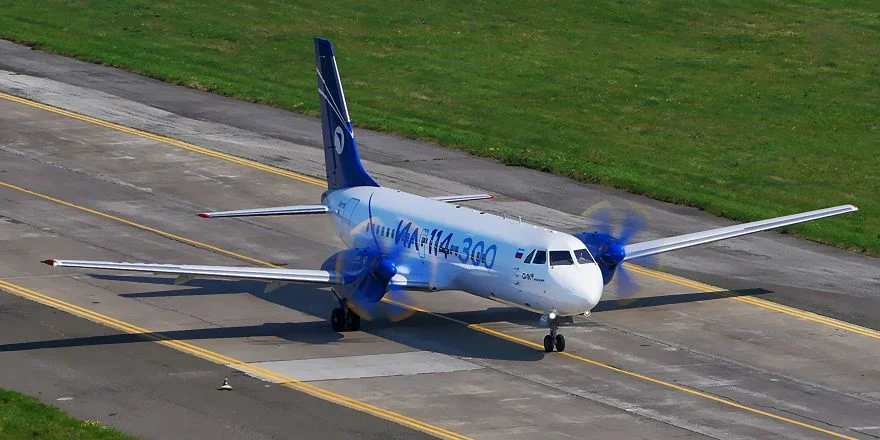
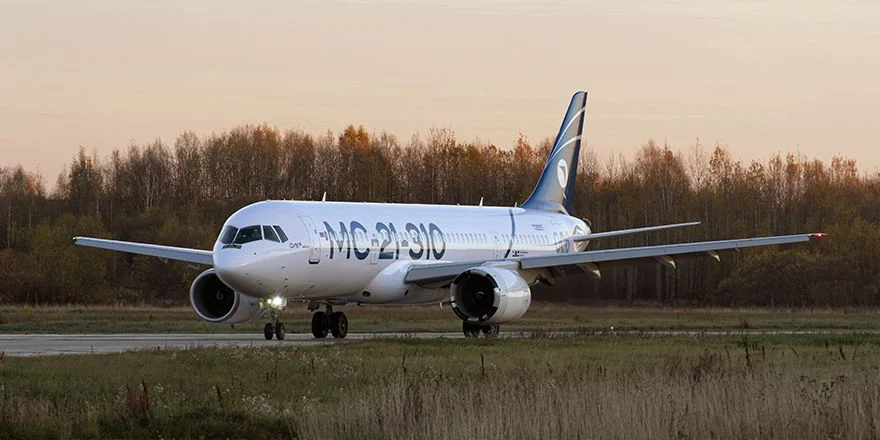
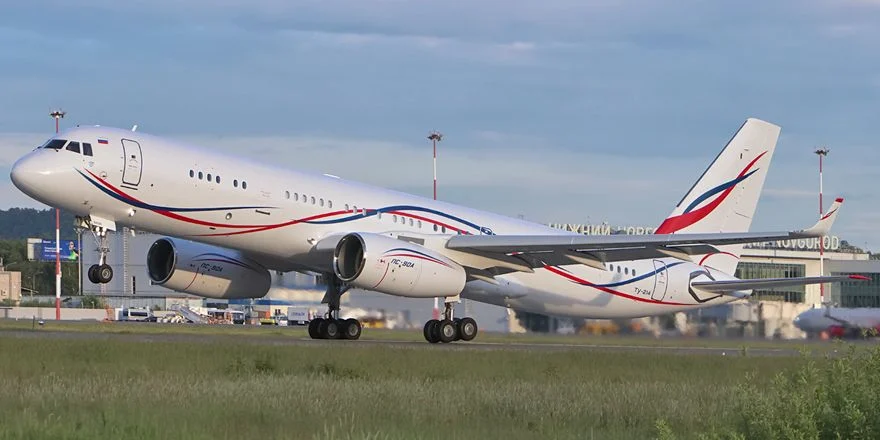
UAC now oversees a portfolio spanning civil transports, combat aircraft and military airlifters. Its principal civil programmes include the MC-21 and Superjet 100, alongside the revived Il-114-300 and Tu-214 projects. Military production covers the Su-30, Su-34 and Su-35 families, as well as the fifth-generation Su-57. The corporation also manufactures the Il-76MD-90A at Aviastar in Ulyanovsk and continues work on the Il-96 family at the Voronezh Aircraft Production Association.
Rebuilding production capacity has required substantial investment in manufacturing infrastructure and the restoration of specialised industrial capabilities. At the Kazan Aircraft Production Association, restarting Tu-160 production involved replacing approximately 90% of the equipment used in titanium processing operations, including electron-beam welding and vacuum annealing systems. The facility is also expanding its production areas and modernising equipment for Tu-214 manufacture. At Aviastar, the Il-76MD-90A programme has adopted a flow-production model, while the Komsomolsk-on-Amur Aviation Plant is expanding capacity for Su-57 production and manufacturing the import-substituted Superjet 100.
The civil aircraft programmes have faced a more complex engineering challenge following the loss of access to Western suppliers. Restrictions introduced in 2018 affected companies associated with the MC-21 programme, while the disruption of supply relationships after 2022 accelerated the transition to Russian engines, avionics and aircraft systems. The resulting work has extended beyond component replacement to include aircraft redesign, systems integration, manufacturing changes and additional flight testing.
MC-21 Import Substitution Builds Domestic Capability for Future Russian Airliner Programmes
For the MC-21, replacing a substantial proportion of foreign equipment with domestically developed systems has required modifications to the airframe and production processes, as well as revisions to the flight-test programme. The Superjet 100 has undergone a comparable transition, with Russian avionics and systems replacing foreign equipment and the PD-8 engine replacing the Franco-Russian SaM146. Both programmes depend on the successful integration and certification of the new equipment as complete aircraft configurations.
UAC’s production model also depends on coordination with specialised suppliers. United Engine Corporation (UEC) develops and manufactures the aircraft engines, while other industry companies supply avionics, flight-control systems, landing gear and auxiliary power units. The availability and reliability of these components directly affect aircraft assembly, flight testing and delivery schedules. Establishing a domestic supply chain therefore requires not only sufficient manufacturing capacity but also long-term provision of spare parts, maintenance support and replacement equipment throughout the aircraft’s service life.
UAC reports that it has invested RUB 423 billion (approximately USD 4.7 billion) in the development of its enterprises over the past two decades and added 725,000 m² of manufacturing space. These figures reflect the scale of industrial restructuring, although the corporation’s current challenge is to translate the expanded infrastructure into sustained production output.
The immediate priorities include completing Russian configuration certification of the MC-21 and Superjet 100, increasing Tu-214 production, resolving the remaining operational restrictions affecting the Il-114-300 and establishing predictable delivery schedules across civil programmes. UAC must also maintain production rates for combat and transport aircraft under Russia’s state defence procurement programme.
The corporation’s first 20 years were primarily characterised by consolidation, industrial recovery and the development of new aircraft programmes. Its next phase will be measured by the ability to sustain serial production, secure domestic component supplies and provide long-term technical support for aircraft in service.