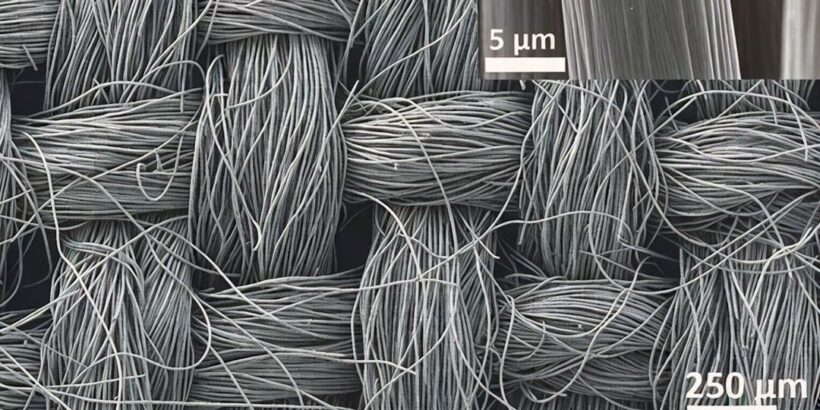
The Moscow Aviation Institute (MAI) has developed an automated diagnostic methodology for identifying micro-defects in aerospace composite materials using integrated volumetric imaging data.
The approach is designed for non-destructive evaluation workflows based on X-ray computed tomography and high-resolution scanning techniques, enabling detection of internal structural anomalies such as microcracks, voids and delamination zones that are difficult to resolve through conventional inspection practices.
The developers state that the system significantly reduces inspection cycle times compared with traditional manual analysis. Large imaging datasets that previously required days of operator-led review can now be processed within minutes.
In terms of performance characteristics, the MAI method differs from conventional inspection workflows across three key parameters:
| Parameter | Conventional approach | MAI methodology |
|---|---|---|
| Processing speed | Days of manual analysis | Minutes for large-scale data processing |
| Detection accuracy | Limited by human visual resolution | Identification of defects below one-thousandth of a millimetre |
| Data completeness | Separate interpretation of volumetric and detailed scans | Integrated processing of both datasets into a unified material structure model |
The system’s sensitivity extends into sub-micron defect scales, addressing a key limitation of operator-dependent inspection methods where detection capability is constrained by visual resolution and fatigue.
The methodology is positioned for application in quality assurance and structural health monitoring of composite airframe components, where small manufacturing imperfections can act as precursors to fatigue propagation over operational life. As composite usage expands across modern airframe structures, demand has increased for more consistent, automated and reproducible inspection frameworks.
MAI characterises the development as part of a broader shift toward digitally integrated non-destructive evaluation, combining automated pattern recognition with fused imaging datasets to reduce operator variability and improve classification consistency.
 (No Ratings Yet)
 Loading...