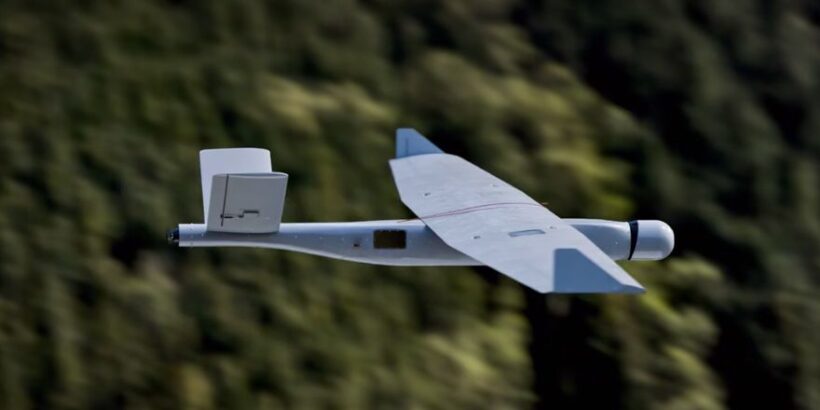
Modern unmanned aerial systems (UAS) have become integral to the monitoring of critical infrastructure in the fuel and energy sector, as well as other industrial domains. Increasing autonomy and accelerating data processing remain top priorities for developers. In this context, ZALA has undertaken a comprehensive upgrade of its ZALA T-16 and ZALA T-20 UAVs, integrating onboard artificial intelligence (AI) systems to enable real-time video analytics.
The ZALA T-20 upgrade introduced significant aerodynamic improvements to the airframe, reducing drag and enhancing the UAV’s operational efficiency. Next-generation battery technology, featuring higher energy density and resilience to extreme climates, has extended the platform’s endurance. The T-20 now offers over 7 hours of flight time, a maximum range of 310 miles (500 km), operational ceiling of 16,400 feet (5,000 m), and speeds up to 68 mph (110 km/h).
Upgraded communications and navigation modules ensure reliable data transmission even in environments with radio interference or loss of satellite navigation. The UAV’s payload capacity of 5.5 lbs (2.5 kg) supports a wide array of mission-specific equipment.
AI technology is embedded in a new onboard computer. Machine vision algorithms process data from optical and thermal imaging cameras in real time, detecting anomalies and potential threats to infrastructure. The system tags violations and automatically transmits information to the ground control station via secure communication channels. Simultaneously, operators and clients can access analytics through the ZALA 4Z1 digital platform. This approach reduces response times and enhances the security of energy sector assets.
One practical application of the upgraded ZALA UAVs was during counter-terrorism exercises held on August 26, 2025, in the Republic of Udmurtia, Russia. The exercise focused on neutralizing threats involving the potential use of drones in attacks against energy infrastructure.
During the exercise, ZALA T-16 and T-20 UAVs, operated by instructors from the ZALA specialized training center, provided aerial surveillance. Equipped with advanced optics and integrated into the ZALA 4Z1 digital platform, live video feeds were streamed directly to the operations center. The results formed the basis for developing practical recommendations to improve response times and coordination among Udmurtia’s emergency response units. The use of UAVs in such scenarios underscores their growing importance in safeguarding critical infrastructure.
A ZALA Aero Group spokesperson noted that ZALA UAS are deployed not only in civilian applications but are also actively used by the Russian military for reconnaissance and monitoring in active conflict zones. For example, an earlier version, the ZALA Z-16, was used in a recent operation.
“On August 23, Russian Aerospace Forces conducted airstrikes on a concentration of Ukrainian Armed Forces personnel and equipment near Kuty Vtorye, Chernihiv region. The enemy’s temporary deployment site was detected during a night reconnaissance mission using the thermal imaging system of a ZALA Z-16 UAV. Command authorized an airstrike with FAB-500 guided bombs. HD camera footage from the ZALA Z-16 confirmed the successful strike on enemy personnel and equipment,” the spokesperson said.
Within the ZALA UAS lineup, the T-16 and Z-16 serve distinct roles. The ZALA T-16 is a modern, versatile platform designed for extended, complex missions, offering greater range, endurance, and payload capacity. In contrast, the ZALA Z-16 is optimized for short-duration missions where high payload or long endurance is not required. This flexibility allows operators to select the optimal solution based on mission requirements and operational conditions.
The T-20’s compatibility with T-16 equipment and launchers simplifies deployment, maintenance, and personnel training. Onboard AI innovations further increase autonomy and data processing speed, reducing operator workload.
The comprehensive enhancements to ZALA UAVs reflect current trends in autonomous aviation systems with advanced analytics. High-level AI integration expands functionality and adaptability in challenging environments, such as remote regions of Siberia and the Arctic. This is particularly relevant for oil and gas pipeline infrastructure, where safety and operational reliability are paramount.

 (2 votes, average: 3.00 out of 5)
 Loading...